
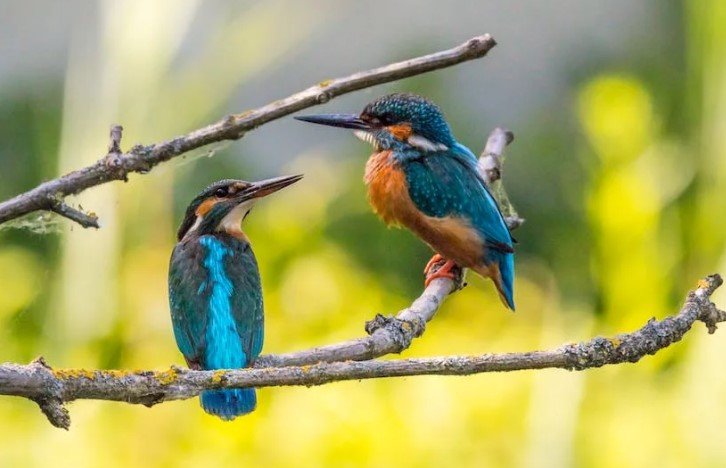
Birds have captured the human imagination for thousands of years with their ability to fly and their beautiful songs. They are more than just animals we see in the sky; they are a vital part of the natural world that helps keep our planet healthy.
Birds are warm-blooded vertebrates belonging to the class Aves, characterized by feathers, toothless beaked jaws, the laying of hard-shelled eggs, and a high metabolic rate. From the tiny hummingbird to the massive ostrich, understanding these creatures helps us appreciate the delicate balance of nature.
The Evolutionary History and Anatomy of Birds
The story of birds begins millions of years ago. Scientists have found that birds evolved from a group of meat-eating dinosaurs called theropods. This happened during the Mesozoic Era, roughly 150 million years ago. The most famous early bird fossil is the Archaeopteryx, which had both bird and reptile features.
Over time, these animals went through massive changes. Natural selection helped them survive in different environments. Today, we classify modern birds into about 30 different orders. This classification looks at their bone structure, their behavior, and their DNA. This long history has created the diverse range of feathered friends we see in our backyards and zoos today.
Bird anatomy is truly a marvel of engineering. To fly, their bodies need to be very light but also very strong. The most unique feature is their skeletal system. Unlike mammals, birds have hollow bones that are filled with air spaces. These are connected to their respiratory system, which makes them light enough to lift off the ground.
Their respiratory system is also much more efficient than ours. They have air sacs that allow a continuous flow of oxygen. This helps them fly at high altitudes where the air is thin. Their hearts are large and powerful, pumping blood quickly to support their high energy needs.
“The structure of a bird’s feather is one of the most complex and beautiful designs in nature, serving as a raincoat, a heat insulator, and a flight mechanism all at once.”
We cannot talk about birds without mentioning their feathers. Feathers are made of keratin, the same material as human hair and fingernails. They serve three main purposes: flight, insulation to keep the bird warm, and display for finding mates.
| Feature | Birds | Mammals |
|---|---|---|
| Body Covering | Feathers | Hair or Fur |
| Bones | Hollow and lightweight | Solid and dense |
| Reproduction | Lay hard-shelled eggs | Give birth to live young (mostly) |
| Metabolism | Very high rate | Moderate to high rate |
Global Diversity and Conservation Challenges
The world is home to roughly 10,000 known species of birds. You can find them on every single continent on Earth. They live in the hottest deserts, the steamiest rainforests, and the coldest polar ice sheets. This distribution depends heavily on the climate and food supply.
Some regions are bird hotspots. The Amazon rainforest in South America is famous for having the highest number of bird species. In contrast, places like the Arctic have fewer species, but those that live there are specially adapted to the extreme cold. This variety makes birdwatching a never-ending adventure.
However, this diversity is under threat. Human activities are making it hard for many bird species to survive. Habitat loss is the biggest problem. When forests are cut down or wetlands are drained, birds lose their homes and their food sources.
Pollution and climate change also play a big role. Plastic waste hurts sea birds, and rising temperatures change the timing of insect hatching, which affects food for baby birds. According to data from BirdLife International’s State of the World’s Birds report, nearly half of all bird species are in decline.
Conservation efforts are happening right now to fix this. Groups are working to protect nesting sites and restore damaged habitats. Breeding programs in zoos help bring species back from the brink of extinction. It is a race against time to save endangered birds like the California Condor and the Kakapo.
Complex Behaviors and Migration Patterns
Birds are not just instinct-driven machines; they have complex social lives. Mating season brings out some of the most interesting behaviors. Male birds often use bright colors and complicated songs to attract females. Some, like the Bowerbird, even build elaborate structures decorated with colorful objects to impress a mate.
Nesting habits are just as varied. Some birds build cup-shaped nests in trees, while others dig burrows in the ground. The level of parental care varies too. In some species, both parents feed the chicks, while in others, the young are independent almost immediately after hatching.
Migration is perhaps the most stunning behavior of all. Many birds travel thousands of miles twice a year. They fly to warmer climates to find food during the winter and return to their breeding grounds in the spring. This journey requires incredible stamina.
- Celestial Navigation: Many birds use the position of the sun and stars to find their way.
- Magnetic Fields: Birds have a special sense that allows them to detect the Earth’s magnetic field, acting like a built-in compass.
- Visual Landmarks: They also follow rivers, coastlines, and mountain ranges.
The distance some birds travel is hard to believe. The Arctic Tern holds the record for the longest migration. It flies from the Arctic to the Antarctic and back every year. You can learn more about these incredible journeys through resources provided by the Cornell Lab of Ornithology.
Communication is key to their survival. Birds have a language of their own. They use different calls to warn others of predators, defend their territory, or talk to their flock. Some birds, like parrots and mynas, are excellent mimics and can copy sounds they hear around them.
Cultural Significance and Artistic Representation
Birds have always held a special place in human culture. Because they can fly high into the sky, many ancient cultures viewed them as messengers from the gods. They symbolize freedom and the connection between the earth and the heavens.
Different birds mean different things in various cultures. The owl often represents wisdom and knowledge. The eagle is a symbol of power and strength, which is why it appears on many national flags. The dove is a universal symbol of peace. These symbols help us make sense of the world.
In literature, birds are used to represent human emotions. Poets write about the skylark to represent joy or the raven to represent sadness and mystery. Writers use the image of a bird in a cage to talk about a lack of freedom. These metaphors make stories more powerful.
Visual artists have also been inspired by birds for centuries. From ancient cave paintings to modern sculptures, birds are a favorite subject. Scientific illustrators, like John James Audubon, created detailed paintings that helped people learn about new species. Today, photographers capture stunning images that show us the beauty of birds in flight.
Keeping Birds as Pets: A Big Responsibility
Many people love birds so much that they bring them into their homes. Birds can make wonderful companions. They are intelligent, social, and beautiful to look at. However, owning a bird is not the same as owning a dog or a cat.
Popular pet birds include Parrots, Cockatiels, Budgies, and Finches. Parrots are known for their ability to learn tricks and sometimes talk. Finches and Canaries are loved for their beautiful singing voices. Before getting a bird, you must research the specific needs of that species.
Caring for a bird takes a lot of time and effort. They are not low-maintenance pets. They need a large cage where they can stretch their wings. They also need time outside the cage to exercise and socialize with their human family.
Essential Care Tips for Pet Birds:
- Diet: Seeds are often not enough. Birds need a mix of pellets, fresh fruits, and vegetables.
- Socialization: Birds are flock animals. They can get depressed if left alone for too long.
- Environment: Keep the cage clean and provide plenty of toys to keep their minds active.
- Health: Birds hide their illnesses well. Regular check-ups with a specialized vet are crucial.
There are also legal rules to follow. Some countries protect wild birds and do not allow them to be kept as pets. It is vital to only buy birds from reputable breeders or adopt them from shelters. Never buy a bird that was caught in the wild, as this hurts wild populations. For guidelines on proper care, organizations like the Association of Avian Veterinarians offer valuable resources.
Conclusion
Birds are truly magnificent creatures that bring life and color to our world. From their complex evolution to their stunning migrations, they continue to amaze us. Protecting them and their habitats is essential for our future. We hope this guide inspires you to look up and appreciate the feathered friends around you.
#BirdWatching #NatureLovers #Ornithology #SaveOurBirds #PetBirds #WildlifeConservation
If you enjoyed this article, please share it on social media and tell us your favorite bird in the comments below!
Disclaimer: The information provided in this article regarding pet care is for educational purposes only. It does not replace professional veterinary advice. Always consult with a qualified avian veterinarian for specific health concerns regarding your pet bird.


