
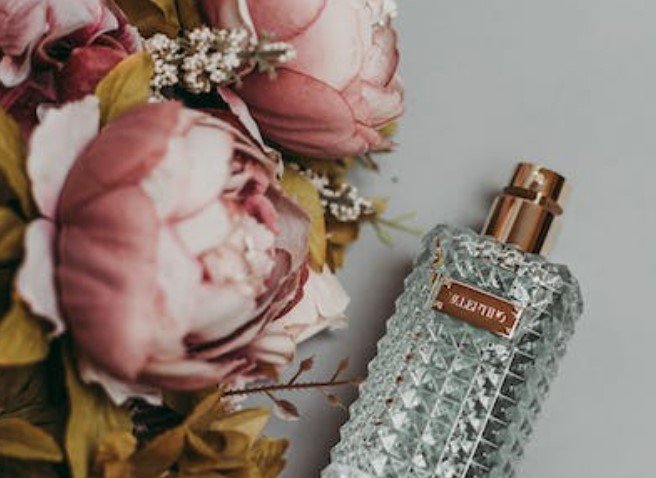
Flowers have captivated human hearts for thousands of years with their vibrant colors and enchanting aromas. They are much more than just beautiful decorations; they serve as a bridge between nature and our deepest emotions.
From ancient rituals to modern relaxation techniques, the role of floral scents has been significant in shaping cultures around the world. The unique fragrance of a flower is created by volatile organic compounds that attract pollinators and simultaneously trigger powerful emotional and physiological responses in humans.
The Ancient History and Cultural Roots of Floral Scents
The use of flowers for their fragrance is a practice that is as old as civilization itself. Ancient societies understood the power of scent long before modern science explained it. In ancient Egypt, priests and royalty used fragrant oils extracted from lilies and lotuses for religious ceremonies and personal grooming.
They believed that these scents connected them to the divine. Incense made from crushed petals was a staple in temples, filling the air with heavy, sweet smoke. The Greeks also held flowers in high regard, often associating specific blooms with their gods and goddesses.
In the East, the appreciation for floral scents was equally profound. Ancient Chinese medicine utilized the healing properties of flower extracts. They incorporated these scents into teas and medicines to treat various ailments. Similarly, in India, flowers like jasmine and marigold became essential parts of Hindu worship.
“In Greek mythology, the gods were said to be surrounded by the scent of flowers, representing a divine aura that separated them from the mortal world.”
Religious texts also highlight the importance of these natural perfumes. The Bible mentions flowers as symbols of purity, while Buddhist traditions use them as offerings to represent the impermanence of life. This deep historical connection shows that our love for floral scents is deeply ingrained in our collective heritage.
The Science Behind How Flowers Create Fragrance
Have you ever wondered why a rose smells sweet while a marigold smells musky? The answer lies in chemistry. A flower produces scent through a complex interaction of biology and the environment.
The fragrance comes from specialized parts of the plant, such as the petals or nectaries. When these parts are exposed to sunlight and air, they release chemicals known as volatile organic compounds (VOCs). These compounds evaporate easily, carrying the scent through the breeze.
Pollination is the primary reason for this biological process. Plants cannot move, so they rely on insects and birds to help them reproduce. The scent acts as a signal to attract bees, butterflies, and moths from far away.
- Esters: These compounds usually create sweet and fruity smells.
- Terpenes: These are responsible for piney, woody, or herbal aromas.
- Aldehydes: These often produce crisp, citrus-like, or soapy scents.
The chemical composition varies greatly between species. Some flowers even release their scent only at night to attract nocturnal moths. This strategic release of scent ensures the survival of the plant species. According to research by the U.S. Forest Service, these scent syndromes are perfectly evolved to match the preferences of specific pollinators.
| Chemical Group | Scent Profile | Common Flower |
|---|---|---|
| Esters | Sweet, Fruity | Jasmine |
| Terpenes | Woody, Herbal | Lavender |
| Phenols | Spicy, Medicinial | Carnation |
Aromatherapy and the Impact on Human Emotions
The smell of a flower does more than just please the nose. It interacts directly with the brain. When you inhale a floral scent, the odor molecules travel to the limbic system, which is the emotional center of the brain.
This is why a sudden whiff of a specific flower can instantly trigger a childhood memory or a feeling of nostalgia. Research has consistently shown that floral scents can improve mood and reduce stress. For example, the scent of lavender is widely recognized for its ability to lower heart rate and induce sleep.
Rose oil is another powerful agent used to combat anxiety. Studies suggest that inhaling rose fragrance can lower the concentration of stress hormones in the body. This biological reaction is the foundation of aromatherapy.
Aromatherapy uses these essential oils to promote holistic health. It is not just about smelling good; it is about feeling good. Practitioners use oils like chamomile and jasmine to treat everything from headaches to mild depression.
A study published by the National Institutes of Health (NIH) highlights that inhaling lavender essential oil can significantly decrease blood pressure and heart rate, supporting its use in stress management.
The Evolution of Perfumery and Industrial Use
The art of capturing flower scents in a bottle has evolved significantly over the centuries. It began in the Middle Ages in Europe. Early perfumers discovered that suspending flowers in alcohol could preserve their essence longer than oils alone.
By the 17th century, the perfume industry was booming. Perfumers began mixing different flowers to create complex bouquets. They experimented with layering scents, creating what we now call top, middle, and base notes.
- Top Notes: The initial, lighter scent (e.g., citrus or light florals).
- Middle Notes: The core of the perfume (e.g., rose, jasmine).
- Base Notes: The lasting scent (e.g., musk, wood).
Today, the industry relies heavily on a few key flowers. Jasmine and rose are the titans of the perfume world. They are harvested in massive quantities, often by hand, to ensure the petals remain undamaged before extraction.
Modern technology also allows for the creation of synthetic floral scents. While these are cheaper and more consistent, luxury brands still prize natural extracts for their depth and complexity. The sensuality of these fragrances continues to drive a multi-billion dollar global market.
Culinary Delights and Home Applications
Flower scents are not limited to perfumes and aromatherapy. They have found a delicious place in our kitchens as well. Chefs around the world use floral waters and essences to elevate the flavor profiles of their dishes.
Rosewater is a staple in Middle Eastern desserts, adding a delicate sweetness to pastries. Hibiscus flowers are steeped to create tart, refreshing teas rich in vitamin C. Even the humble violet is candied and used to decorate cakes.
Beyond food, floral scents dominate the cleaning and personal care industry. We naturally associate the smell of flowers with cleanliness and freshness. Laundry detergents, air fresheners, and floor cleaners rely heavily on scents like lavender and lily to make chores more pleasant.
These products use scent to create an inviting atmosphere in the home. A home that smells of fresh flowers feels cared for and welcoming. This psychological link between floral scents and hygiene drives the formulation of countless household products.
Conclusion
The world of floral scents is a testament to the intricate relationship between nature and humanity. Whether used to attract a bee, soothe a stressed mind, or flavor a delicate pastry, flowers enrich our lives in countless ways. Their fragrances are invisible threads that connect us to history, science, and our own emotions. Next time you pass a blooming garden, take a moment to stop and breathe in the magic.
Share this article with your friends and let us know your favorite flower scent in the comments below! #FlowerPower #Aromatherapy #FloralScents #NatureLovers #FragrantDelights
Disclaimer: The information provided in this article regarding aromatherapy and the health benefits of essential oils is for educational purposes only. It is not intended as a substitute for professional medical advice, diagnosis, or treatment. Always consult with a qualified healthcare provider before using essential oils, especially if you are pregnant or have underlying health conditions.


