
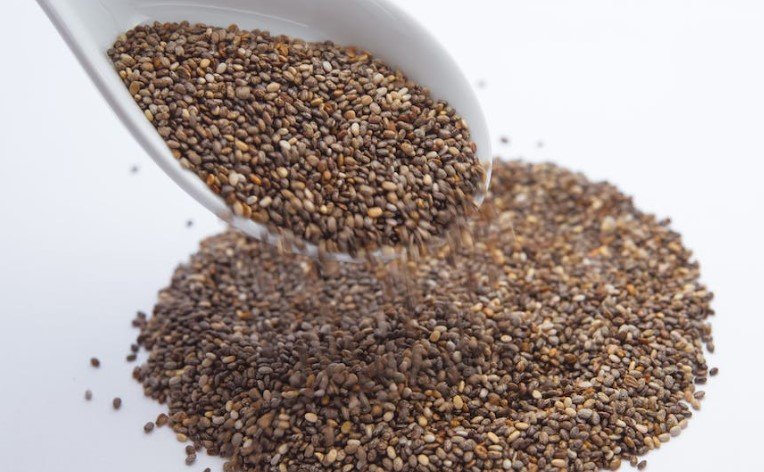
Synthetic seeds represent a massive leap forward in farming technology and plant propagation. These are not just typical seeds grown in a field but are scientifically crafted structures designed to solve some of the biggest problems in modern agriculture.
Also known as artificial seeds or synseeds, they allow farmers to grow crops that are genetically uniform and disease-free. Synthetic seeds are defined as artificially encapsulated somatic embryos or plant tissues that mimic the function of natural seeds to possess the ability to develop into a complete plant. This innovation promises to secure our food supply by lowering costs and reducing the need for harmful chemicals.
The Science Behind Creating Artificial Seeds
The creation of synthetic seeds is a fascinating process that blends biology with engineering. Scientists do not use the normal fertilization process found in nature to make these seeds. Instead, they use a method called somatic embryogenesis. This technique takes ordinary plant cells and treats them to become embryos.
Once the embryos are ready, they must be protected. In nature, a seed coat protects the inside of a seed. In the lab, scientists use a special gel to do this job. The somatic embryos are encapsulated within a protective polymer matrix, usually made from calcium alginate.
This gel coating serves two main purposes. First, it physically protects the delicate plant tissue from damage during handling and transport. Second, it acts as a reservoir for nutrients. The matrix often contains fertilizers, fungicides, and growth regulators that help the seed survive and sprout when it is finally planted.
“Encapsulation provides a unique delivery system that ensures the delicate somatic embryos survive storage and planting, effectively turning lab-grown tissue into a functional seed.”
The production process follows a strict set of steps to ensure viability:
- Selection: Healthy plant tissues or somatic embryos are selected based on superior genetic traits.
- Encapsulation: The tissue is dipped into a hydrogel and then a hardening solution to form a bead.
- Dehydration: Water is carefully removed to put the seed into a dormant state for storage.
- Storage and Testing: Seeds are stored at specific temperatures and tested to ensure they will wake up when watered.
Why Farmers Are Choosing Synthetic Options
The primary reason the agricultural industry is moving toward this technology is control. With natural seeds, there is always a bit of a gamble regarding how the plant will turn out. Sexual reproduction in plants mixes genes, which leads to variations. Synthetic seeds are clones. This means every single plant grown from a batch will be exactly the same.
This genetic uniformity is crucial for large-scale farming. Farmers can predict exactly when to harvest because all crops mature at the same speed. It also ensures that every fruit or vegetable produced has the same size, shape, and nutritional value. This consistency is what supermarkets and food processors demand.
Cost is another major factor driving this change. Traditional vegetative propagation, like taking cuttings or grafting, is labor-intensive and expensive. Synthetic seeds offer a way to scale up production of high-value crops without the massive labor costs. A lab can produce thousands of synthetic seeds in a small space much faster than a nursery can grow seedlings.
| Feature | Natural Seeds | Synthetic Seeds |
|---|---|---|
| Genetic Make-up | Variable (Mixed parents) | Identical (Clones) |
| Disease Status | Risk of carrying pathogens | Pathogen-free (Lab created) |
| Availability | Seasonal | Year-round production |
| Storage Life | Long natural shelf life | Dependent on encapsulation |
Driving Sustainability in Global Agriculture
Sustainability is the most urgent topic in farming today. Synthetic seeds directly contribute to a greener planet by reducing the reliance on chemical inputs. Because these seeds are created in a sterile lab environment, they start their life completely free of diseases and pests. This is known as using “clean planting material.”
When farmers start with a clean, disease-free plant, they do not need to spray as many pesticides early in the season. Furthermore, scientists can select parent plants that are naturally resistant to specific bugs or fungi. Research emphasizes that plant tissue culture techniques, which form the basis of synthetic seeds, are vital for producing robust crops that require less chemical intervention.
Water conservation is another benefit. Synthetic seeds allow for the propagation of drought-tolerant crop varieties. By mass-producing plants that can survive with less water, agriculture becomes more resilient to climate change. This technology allows growers to maintain high yields even in areas where water is becoming scarce.
The reduced need for land is also a key sustainability factor. Breeders can maintain huge libraries of plant genetics in a small refrigerator rather than acres of field space. This conservation of space allows land to be used for other ecological purposes or simply prevents the expansion of farmland into forests.
Applications Beyond Basic Farming
Synthetic seeds are not limited to just corn or wheat. Their application spans across various sectors including horticulture, forestry, and conservation. In the fruit industry, they are a game-changer for crops that are hard to grow from normal seeds. Plants like bananas, grapes, and citrus fruits often rely on grafting, which is slow. Synthetic seeds speed this up significantly.
Conservationists are also using this technology to save endangered species. Many wild plants produce seeds that are hard to collect or do not store well. Scientists can take a tiny piece of tissue from a rare plant, create synthetic seeds, and store them in gene banks. This acts as an insurance policy against extinction.
Another exciting application is in the production of medicinal plants. Many plants used for medicine are difficult to cultivate and are often over-harvested from the wild. Synthetic seed technology allows for the mass production of these medicinal species in a controlled environment. This protects wild populations while ensuring a steady supply of medicine.
Challenges and Future Limitations
Despite the massive potential, the technology faces hurdles. The cost of production is currently higher than buying a bag of standard seeds. The equipment needed to encapsulate embryos is specialized, and the process requires skilled technicians. This makes it difficult for small-scale farmers in developing nations to access the technology immediately.
There are also technical issues with storage. While natural seeds can sit in a dry sack for years, synthetic seeds are more delicate. If they dry out too much or if the gel coating breaks down, the embryo dies. Scientists are currently working on better coating materials to extend the shelf life of these seeds.
Public perception is another hurdle. Consumers often confuse synthetic seeds with Genetically Modified Organisms (GMOs). While they can be used to deliver GMOs, the technology itself is just a delivery system. The Food and Agriculture Organization (FAO) notes that biotechnology encompasses a wide range of tools, and understanding the difference between cloning and genetic modification is vital for public acceptance.
Conclusion
Synthetic seeds stand at the forefront of a new era in agriculture. They offer a smart solution to the growing demand for food by combining efficiency with environmental responsibility. By allowing farmers to grow more with less, this technology addresses the critical need for sustainable food systems. As research continues to lower costs and improve storage, we can expect to see these artificial seeds becoming a standard part of farming. It is time to embrace science to ensure a secure food future for everyone.
#SustainableFarming #AgriTech #FoodSecurity #SyntheticSeeds #FutureOfFood #AgricultureInnovation
Disclaimer: This article is for informational purposes only and does not constitute agricultural or investment advice. The technology involves complex biological processes that may vary by region and crop type. Always consult with agricultural experts or local extension services before implementing new propagation methods.


