
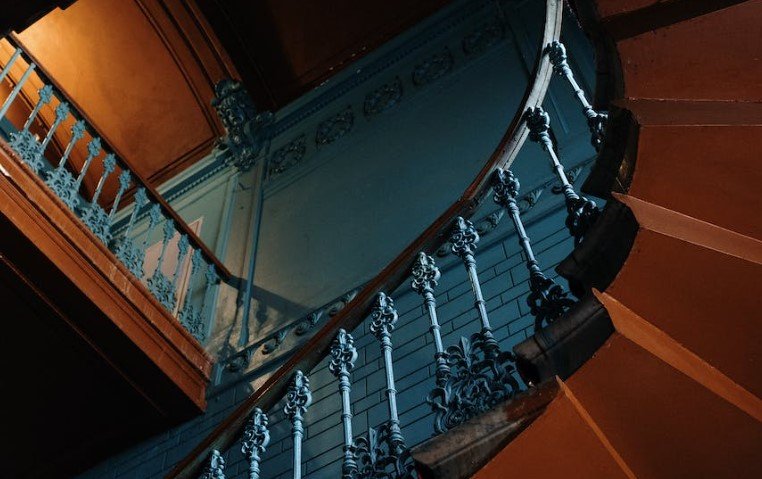
Making the most of the space inside your home is a major goal for many homeowners today. This is especially true for people living in busy cities where apartments and houses tend to be smaller. You want your home to look beautiful, but you also need it to work well for your daily life. One of the largest structures in any multi-story home is the staircase. It usually takes up a lot of floor area, but it does not have to be a waste of space.
Innovative designs allow you to reclaim that lost footage. Installing a space-saving staircase like a spiral, floating, or dual-purpose model not only frees up valuable floor area but also adds a stylish focal point to your interior design. By choosing the right materials and layout, you can turn a simple way to get upstairs into a smart feature that solves your storage and space problems.
Top Space-Saving Staircase Designs
When you have limited room, a traditional straight staircase can feel bulky and overwhelming. Fortunately, architects and designers have created several styles that reduce the footprint of stairs without sacrificing safety or style. These designs are perfect for tiny homes, lofts, or any house where you want to keep the floor plan open and airy. You have many options depending on your specific needs and the look you want to achieve.
Spiral staircases are one of the most popular choices for tight spaces. They grow vertically around a central pole, which means they use very little floor space compared to other types. These are ideal for accessing a mezzanine or a loft. You can find them in sleek metal for an industrial look or warm wood for a classic feel. Because they are compact, they fit neatly into corners where other stairs would not work.
Floating staircases offer a modern and minimal look that makes a room feel larger. These stairs are attached to the wall or a hidden stringer, and they often have open risers. This design allows light to pass through the steps, which keeps the visual line of the room unbroken. Materials like glass or polished wood are common for floating stairs. They create an illusion of weightlessness that is perfect for contemporary homes.
Ladder staircases and curved models are also excellent options for specific situations. Ladder stairs are extremely steep and compact, making them the best choice for very small tiny houses or library lofts. On the other hand, curved or helical staircases offer a softer look than spiral ones. They take up a bit more room than a tight spiral but provide a grander entrance while still curving to save space compared to a straight run.
| Staircase Type | Best Application | Space Efficiency |
|---|---|---|
| Spiral Staircase | Corners, Lofts, Offices | High |
| Floating Staircase | Modern Living Rooms, Open Plans | Medium (Visual Space is High) |
| Ladder Staircase | Tiny Homes, Attics | Very High |
| Curved Staircase | Entryways, stylish interiors | Medium |
Unlocking Storage Potential Under the Stairs
The area underneath a standard staircase is often referred to as dead space because it frequently sits empty or accumulates clutter. However, this triangle of space offers a golden opportunity for organization. By enclosing this area and adding structure, you can create substantial storage solutions that blend seamlessly with the rest of your home. This is a smart way to keep your living area tidy without adding bulky furniture elsewhere.
Built-in shelving is a fantastic way to utilize this area for display and storage. You can have custom shelves installed that follow the slope of the stairs. This creates a dynamic visual effect and provides a perfect home for your book collection, family photos, or decorative art pieces. It turns the awkward space under the stairs into a beautiful library or gallery wall.
“The space under a staircase offers an excellent opportunity for creative storage solutions.”
For items you want to keep out of sight, installing cabinets or drawers is the best route. Tall cabinets can serve as a coat closet or a pantry for cleaning supplies. Deep drawers built into the lower part of the staircase are perfect for storing shoes, winter gear, or linens. These hidden compartments help you maintain a minimalist aesthetic by keeping everyday items organized and tucked away.
Some homeowners even turn this space into a cozy nook. If the space is tall enough, you can add a small bench and a reading light. This transforms a storage area into a functional retreat. Whether you choose open shelves for display or closed cabinets for organization, treating the under-stair area as a functional zone is a key strategy in maximizing home space.
Smart Dual-Purpose Staircase Concepts
Taking the idea of functionality a step further, dual-purpose staircases are designed to perform two jobs at once. These innovative structures are not just for walking up and down; they are furniture pieces in their own right. This approach is gaining popularity in modern architecture where every element of the house needs to be efficient. A dual-purpose staircase can serve as a workspace, a bookshelf, or even a room divider.
One creative design involves integrating a workspace directly under the upper run of the stairs. For remote workers or students, this provides a designated desk area without requiring a separate home office room. The structure of the stairs can even support overhead shelves for office supplies. This setup is exemplified by designs like the “Stairway to the Future” by architect Francesco Librizzi, which seamlessly blends steps with a functional environment.
- Integrated Bookshelves: The risers or sides of the stairs act as shelves for a home library.
- Workspace Nooks: A desk and chair fit snugly under the rise to create a mini office.
- Pull-Out Drawers: Each step acts as a drawer box, as seen in the “Stair Drawers” concept by Danny Kuo.
- Display Units: Open sides allow for placing plants or art that can be seen from both sides of the stairs.
These designs add significant value to a home by removing the need for extra furniture. For example, if your staircase holds all your books, you do not need to buy or find space for a large bookcase. This keeps your main living floor open and uncluttered. The integration of furniture into the staircase structure is a hallmark of intelligent, forward-thinking interior design.
When planning a dual-purpose staircase, it is important to work with a custom builder. Since these units are complex and must handle the weight of people while storing items, precision is key. The result is a unique architectural feature that guests will admire and that will make your daily life more organized.
Lighting for Safety and Aesthetic Appeal
Lighting is a critical component of staircase design that is often overlooked until the end of the project. However, proper lighting is essential for both maximizing the sense of space and ensuring safety. A dark staircase can feel cramped and dangerous, while a well-lit one feels open and inviting. The right lighting choices can highlight the architectural beauty of your stairs while preventing accidents.
LED strip lighting is a modern solution that works perfectly with space-saving stairs. You can install these thin strips underneath the nosing of each tread. This creates a soft glow that illuminates the step below, making it easy to see where to place your feet at night. LED lights are energy-efficient and long-lasting, making them a practical choice for hard-to-reach areas. According to the Department of Energy, LED products are one of the most energy-efficient lighting technologies available today.
Recessed lighting is another excellent option, especially for staircases enclosed by walls. These lights are set into the wall or ceiling, so they do not protrude into the walking path. This is helpful in narrow staircases where every inch of width matters. You can place small recessed lights near the ankle level on the wall to light up the path without creating glare. This adds a sophisticated, hotel-like atmosphere to your home.
Good lighting also helps visually expand the space. By illuminating corners and landings, you eliminate shadows that make a room feel smaller. For floating staircases, lighting can enhance the open feel by casting interesting shadows and highlighting the gap between steps. Safety is paramount, as falls on stairs are a common household hazard. The National Safety Council reports that falls are a leading cause of injury, so investing in quality staircase lighting is a safety necessity as well as a design choice.
Choosing Materials and Professional Installation
Selecting the right materials is the final step in creating your perfect space-saving staircase. The material you choose affects not only the look of the stairs but also their durability and noise level. Wood is a classic choice that adds warmth and texture. It is sturdy and can be painted or stained to match any decor. However, wood can be visually heavy, so it is often combined with other materials in modern designs.
Metal and glass are favorites for contemporary, space-saving designs. Metal is incredibly strong, allowing for thin supports and railings that take up minimal visual space. Glass is the ultimate material for maximizing light. Glass railings or treads allow the eye to travel through the staircase, making the room appear much larger than it is. When using glass, it is vital to use tempered, laminated safety glass to ensure it can handle the load.
While there are DIY kits available for things like spiral staircases, hiring a professional is highly recommended for most custom installations. A staircase must meet strict building codes regarding tread depth, riser height, and railing stability. A professional contractor or staircase specialist ensures that your innovative design is safe to use and legally compliant. They can also help you navigate the challenges of installing a staircase in a tight corner or unusual layout.
Custom staircases can be tailored to fit your lifestyle and budget. Whether you opt for a modular system that is assembled on-site or a fully bespoke piece crafted by an artisan, the investment will pay off in improved functionality and increased home value. By combining the right materials with expert installation, you ensure your new staircase will stand the test of time.
Conclusion
Innovative staircase designs offer a powerful way to transform your home. By moving away from traditional bulky stairs and embracing spiral, floating, or dual-purpose models, you can unlock new potential in your living space. These installation ideas prove that you do not have to sacrifice style for function. Start planning your staircase renovation today to create a home that feels spacious, efficient, and beautifully designed.
#InteriorDesign #HomeRenovation #SpaceSaving #StaircaseDesign #TinyHomeLiving #ModernArchitecture #HomeStorage
Share this article with your friends on social media and let us know in the comments which staircase design you would choose for your home!
Disclaimer
The information provided in this article is for educational and inspirational purposes only. Staircase installation involves structural changes and strict safety codes. Always consult with a professional contractor or architect before beginning any construction project to ensure safety and compliance.


