
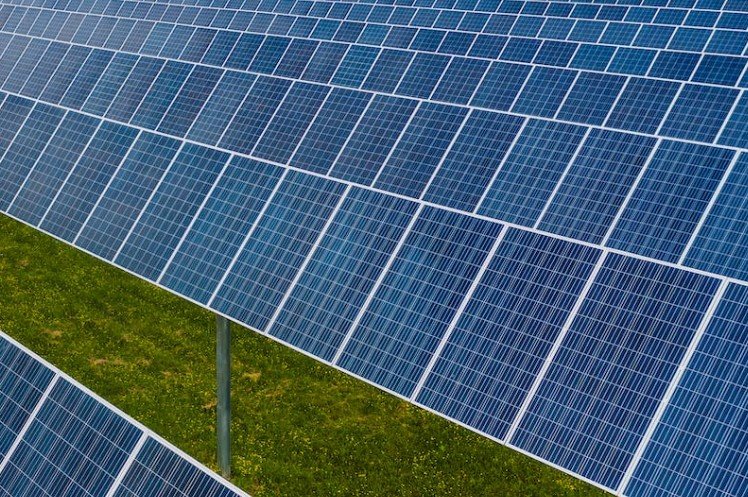
Switching to solar power is one of the smartest decisions a homeowner can make today. It offers a way to save money while helping the planet. Among the different options available, grid-tied solar photovoltaic (PV) systems are the most popular choice for residential properties.
A grid-tied solar PV system allows you to generate your own electricity from the sun while remaining connected to the local utility grid for reliable power access at all times. This connection ensures you never run out of power, even when the sun is not shining. It creates a balance between energy independence and security.
How Grid-Tied Solar Energy Systems Work
The magic of a grid-tied system lies in its simplicity and efficiency. Unlike complex off-grid setups, this system works seamlessly with your existing electrical infrastructure. The process begins with solar panels mounted on your roof or in your yard.
These panels capture sunlight and convert it into direct current (DC) electricity. However, most homes and appliances run on alternating current (AC) electricity. This is where the solar inverter comes in. It converts the DC electricity into usable AC power for your home.
If your system produces more energy than your home needs, the excess flows back into the electrical grid. A special bi-directional meter records both the energy you use from the grid and the energy you send to it. This constant flow ensures no energy goes to waste.
“Modern grid-tied systems are designed to be hands-off, automatically managing the flow of electricity between your home, your solar panels, and the utility grid.”
Understanding Net Metering and Financial Savings
One of the biggest financial advantages of grid-tied solar is a billing mechanism called net metering. This policy effectively turns your electric meter backward when you generate excess power. It is a key reason why solar is a good investment.
When your panels produce more electricity than you consume during the day, that extra power is sent to the grid. The utility company gives you credits for this electricity. You can then use these credits to pay for the power you use at night or on cloudy days.
According to the U.S. Department of Energy, net metering policies vary by state, but they generally allow homeowners to significantly offset their electricity costs. In some months, your bill could drop to zero, or you might even carry credits forward to future months.
This system eliminates the need for expensive battery banks to store energy for nighttime use. The grid itself acts as your battery. This significantly lowers the initial cost of installing a solar system compared to off-grid options.
Grid-Tied vs. Off-Grid and Hybrid Systems
Choosing the right solar setup depends on your specific goals and budget. While grid-tied systems are the most common, it helps to understand how they compare to other types. The main difference lies in battery storage and grid connection.
Off-grid systems are completely disconnected from the utility company. They require large battery banks to store power for nights and bad weather. This makes them much more expensive and complex to maintain. They are usually only necessary in remote locations where running power lines is too costly.
| Feature | Grid-Tied System | Off-Grid System |
|---|---|---|
| Grid Connection | Yes | No |
| Battery Required | No | Yes (Essential) |
| Cost | Lower | Higher |
| Reliability | High (Grid Backup) | Dependent on Battery |
Hybrid systems offer a middle ground. They connect to the grid but also include a battery backup. This allows you to have power during a grid outage, which a standard grid-tied system cannot provide for safety reasons. However, grid-tied remains the most cost-effective entry point for most families.
Installation Process and Key Components
Installing a grid-tied solar system is a structured process that involves more than just putting panels on a roof. It starts with a detailed site assessment. Professionals evaluate your roof’s orientation, shade levels, and structural integrity.
Once the design is ready, the permitting phase begins. This involves getting approval from local building departments and the utility company. This step ensures that the system meets all safety and zoning standards.
- Site Assessment: Checking roof angle and sun exposure.
- Design: sizing the system to meet your energy needs.
- Permitting: Obtaining necessary legal approvals.
- Installation: Mounting panels and wiring the inverter.
- Interconnection: Final approval from the utility to turn it on.
The actual installation typically takes a few days. Installers mount the racking system, attach the panels, and run the wiring to the inverter and electric panel. After installation, a final inspection is required before the system goes live.
Environmental Benefits and Sustainability
Beyond the financial savings, grid-tied solar systems have a profound positive impact on the environment. Traditional electricity generation relies heavily on burning fossil fuels like coal and natural gas. This process releases harmful greenhouse gases into the atmosphere.
By generating your own clean energy, you directly reduce the demand for fossil fuel-based power. This helps lower carbon emissions and combats climate change. Solar energy is renewable, meaning it will not run out as long as the sun shines.
The Environmental Protection Agency (EPA) highlights that renewable energy sources like solar also reduce air pollution. This leads to cleaner air and better public health outcomes for communities. Every kilowatt-hour of solar power generated is a step toward a sustainable future.
Furthermore, these systems conserve water resources. Traditional power plants use massive amounts of water for cooling. Solar PV systems require no water to generate electricity, preserving this vital resource for other needs.
Maintenance and Safety Considerations
One of the best features of grid-tied solar systems is their low maintenance requirements. Since there are no moving parts, there is very little that can break. However, keeping an eye on the system is still important.
Homeowners should ensure that panels remain free of debris like leaves, dirt, or snow. A buildup of grime can reduce the system’s efficiency. In most climates, rainfall is enough to keep the panels relatively clean.
Safety is also a priority. Grid-tied systems are designed to shut down automatically during a power outage. This is a safety feature called “anti-islanding.” It prevents your panels from sending electricity into the grid while utility workers are trying to fix fallen lines.
It is recommended to have a professional inspection every few years. They can check the electrical connections and the inverter’s performance. This ensures the system continues to operate safely and at peak efficiency for its 25 to 30-year lifespan.
Conclusion
Grid-tied solar PV systems represent the future of home energy. They offer a practical solution for homeowners wanting to save money and protect the environment. With benefits like net metering and low maintenance, the barrier to entry is lower than ever. As technology improves, these systems will only become more efficient. Now is the perfect time to explore solar energy for your home.
Disclaimer: This article is for informational purposes only and does not constitute financial or professional advice. Solar policies and savings vary by location. Always consult with a licensed solar installer and financial advisor before making significant investments.
#SolarEnergy #RenewableEnergy #GreenLiving #NetMetering #SustainableHome #SolarPower #EcoFriendly #HomeImprovement #EnergySavings #FutureOfEnergy
Did you find this guide helpful? Share this article on social media to help your friends and family learn about the benefits of solar energy! Leave a comment below if you have any questions or want to share your own solar experience.


