
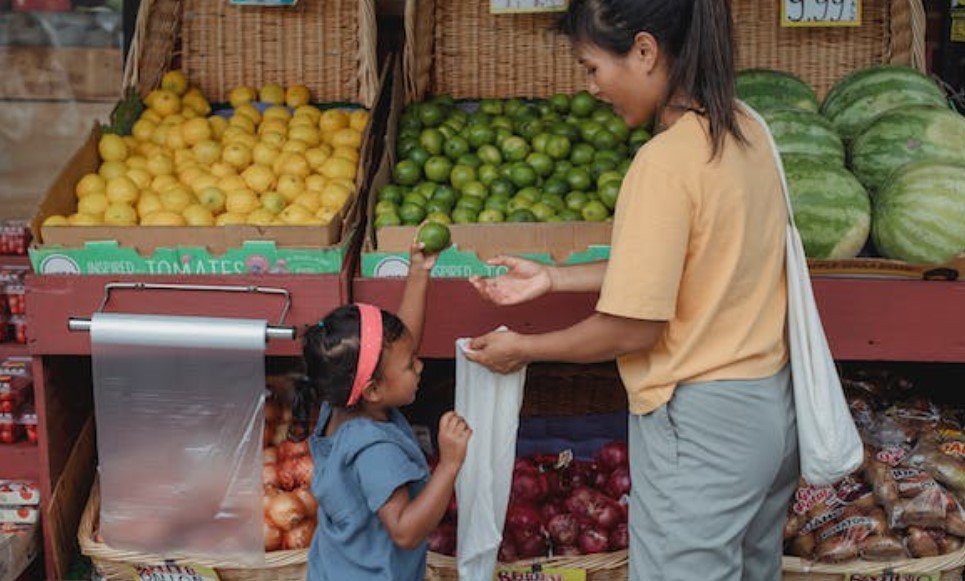
Every parent wants to keep their children safe, healthy, and happy. In a world full of fast food and processed snacks, it can be hard to know exactly what is going into the meals we serve our families. Many parents are now looking toward organic living as a way to provide a cleaner foundation for their kids.
Adopting an organic lifestyle is about more than just buying expensive fruit; it is a holistic approach to reducing toxins in your home. Choosing organic foods and products significantly reduces a child’s exposure to harmful synthetic pesticides and antibiotics while supporting their growing bodies with cleaner nutrition.
Understanding What Organic Really Means
Many people see the organic label in the grocery store, but the strict standards behind that label are often misunderstood. Organic food is grown without the use of synthetic fertilizers, sewage sludge, irradiation, or genetic engineering. For animal products like meat, eggs, and dairy, the animals must be raised without antibiotics or growth hormones.
The difference between organic and conventional farming is huge. Conventional farming often relies on chemical shortcuts to make plants grow faster or kill bugs. Organic farming relies on natural methods like crop rotation and composting to keep the soil healthy. This results in food that is produced the way nature intended.
To ensure you are getting the real deal, you have to look for certification. In the United States, the USDA Organic seal is the gold standard. Products with this seal have gone through a rigorous inspection process. They track everything from the seed planted in the ground to the moment the food reaches the store shelf.
“Organic certification requires that farmers and handlers document their processes and get inspected every year. It is a promise to the consumer that no prohibited chemicals were used.”
When you buy non-organic food, you might be buying residues of chemicals that you cannot wash off. These chemicals are designed to kill pests, and trace amounts often end up in the final product. By choosing organic, you skip these unwanted extras entirely.
Physical Health Benefits For Growing Bodies
Children are not just small adults. Their bodies are developing rapidly, and their systems are more sensitive to chemicals than ours. Their metabolism is faster, and they eat more food pound-for-pound than adults do. This makes them more vulnerable to the effects of pesticides and additives found in conventional food.
One of the biggest reasons parents switch to organic is to avoid pesticides. Exposure to certain agricultural chemicals has been linked to health issues in children. By eating organic, you can drastically lower the pesticide levels in your child’s body in a very short time.
According to a clinical report by the American Academy of Pediatrics, organic diets have been shown to expose consumers to fewer pesticides associated with human disease. This is a compelling reason for many families to make the switch.
Beyond avoiding the bad stuff, organic food often contains more of the good stuff. Some studies suggest that organic crops have higher levels of antioxidants. Antioxidants are important because they help protect the body’s cells from damage. Organic milk and meat can also have higher levels of healthy omega-3 fatty acids.
Here is a quick look at the potential nutritional differences:
| Nutrient Factor | Organic Food | Conventional Food |
|---|---|---|
| Pesticide Residue | Significantly Lower | Higher Risk |
| Antibiotics (Meat/Dairy) | Prohibited | Commonly Used |
| Growth Hormones | Prohibited | Often Used |
| Antioxidant Levels | Often Higher | Variable |
Eating chemical-free food may also help with other physical issues. Some parents find that skin conditions like eczema improve when they remove artificial additives and potential irritants from their child’s diet. While every child is different, a clean diet gives the body the best chance to thrive without fighting off unnecessary toxins.
Mental and Emotional Well-being
We often think about food affecting our waistlines, but it also affects our brains. The gut and the brain are closely connected. Providing children with pure, nutrient-dense food can support better focus and stable energy levels throughout the day.
Many conventional foods contain artificial food dyes and preservatives. Some studies and anecdotal evidence from parents suggest that these additives can impact behavior in sensitive children. Removing these artificial ingredients can sometimes lead to calmness and better concentration.
Organic farming prohibits the use of these artificial colors and preservatives. When you buy a box of organic cereal, you know the colors come from real food sources like carrots or berries, not from a lab. This cleaner ingredient list removes the guesswork for parents trying to manage their child’s behavior through diet.
There is also an emotional benefit to teaching children about organic living. It helps them connect with nature. Knowing that their food comes from farms that care for the earth can give children a sense of responsibility and peace. It fosters a mindset of care and quality over speed and convenience.
Environmental Impact and Future Sustainability
Choosing organic is not just about personal health; it is about the health of the planet your children will inherit. Organic farming practices are designed to protect the environment. They focus on building healthy soil that is rich in nutrients and helpful bacteria.
Conventional farming often causes soil erosion and water pollution. The heavy use of synthetic nitrogen fertilizers can lead to runoff that contaminates local water supplies. This affects the wildlife and the ecosystem that our future generations depend on.
Organic farms support biodiversity. Because they do not spray broad-spectrum insecticides, organic farms are often home to more bees, birds, and beneficial insects. Protecting pollinators is crucial for our food supply. By eating organic, your family is directly supporting a system that keeps the natural world alive and buzzing.
Climate change is another major concern for young people today. Organic agriculture can help trap carbon in the soil. Healthy soil acts like a sponge for carbon, keeping it out of the atmosphere. Supporting these practices is a way to take action against climate issues.
- Reduces chemical runoff into streams and rivers.
- Protects farm workers from exposure to dangerous toxins.
- Preserves heritage seeds and plant varieties.
- Uses less energy compared to chemical-intensive farming.
Practical Tips for Transitioning Your Family
Switching to an organic lifestyle can seem expensive and overwhelming at first. The good news is that you do not have to change everything overnight. Small steps can make a big difference in your family’s health.
Start by prioritizing which foods to buy organic. The Environmental Working Group (EWG) publishes a list every year called the “Dirty Dozen.” These are the fruits and vegetables that tend to have the highest pesticide residues. Strawberries, spinach, and kale are often on this list. Buying these items organic is a smart move.
Conversely, there is a list called the “Clean Fifteen.” These are crops that naturally have fewer pests or thick skins that protect them, like avocados and pineapples. You can save money by buying conventional versions of these items. You can check the EWG’s full Dirty Dozen list to make informed shopping decisions.
Another tip is to cook from scratch. Pre-packaged organic snacks can be pricey. Buying bulk organic ingredients like rice, beans, and flour is much cheaper. You can make simple, healthy snacks at home. This also gets the kids involved in the kitchen, which makes them more likely to eat the healthy food you prepare.
Look for local options. Farmers’ markets are great places to find organic produce, sometimes for less than grocery store prices. You can talk directly to the farmers. Even if they are not certified organic, many small local farmers use organic practices but cannot afford the certification fees.
Beyond Food: A Non-Toxic Home
An organic lifestyle extends beyond the kitchen table. Once you start paying attention to ingredients in food, you will likely start noticing them in other household products. Children spend a lot of time on the floor and in their beds, so their environment matters.
Consider the cleaning products you use. Conventional cleaners can leave harsh chemical residues on surfaces. Switching to simple, non-toxic cleaners like vinegar, baking soda, or certified organic cleaning products can improve indoor air quality. This is especially helpful for children with asthma or allergies.
Personal care products are another area to watch. A child’s skin is thinner and absorbs more than an adult’s skin. Look for shampoos, lotions, and soaps that are made with organic ingredients and free from synthetic fragrances. The skin is the body’s largest organ, so it makes sense to treat it with care.
Clothing and bedding can also be part of an organic lifestyle. Conventional cotton is one of the most heavily sprayed crops in the world. Choosing organic cotton for pajamas and sheets ensures that your child is sleeping in a fabric that was grown without toxic chemicals. It is softer and often more durable, lasting through many washes.
Conclusion
Embracing an organic lifestyle is a powerful way to invest in your child’s future. It protects their physical health, supports their development, and teaches them to respect the earth. While it requires some planning and budgeting, the long-term benefits for your family and the planet are undeniable. Start with small changes today, and feel good knowing you are creating a safer, healthier world for your little ones.
#OrganicKids #HealthyLiving #EcoFriendlyFamily #NonToxicHome #CleanEating #SustainableFuture #ParentingTips
Disclaimer: This article is for informational purposes only and does not constitute medical advice. Always consult with a pediatrician or healthcare provider regarding your child’s diet and health needs.


