
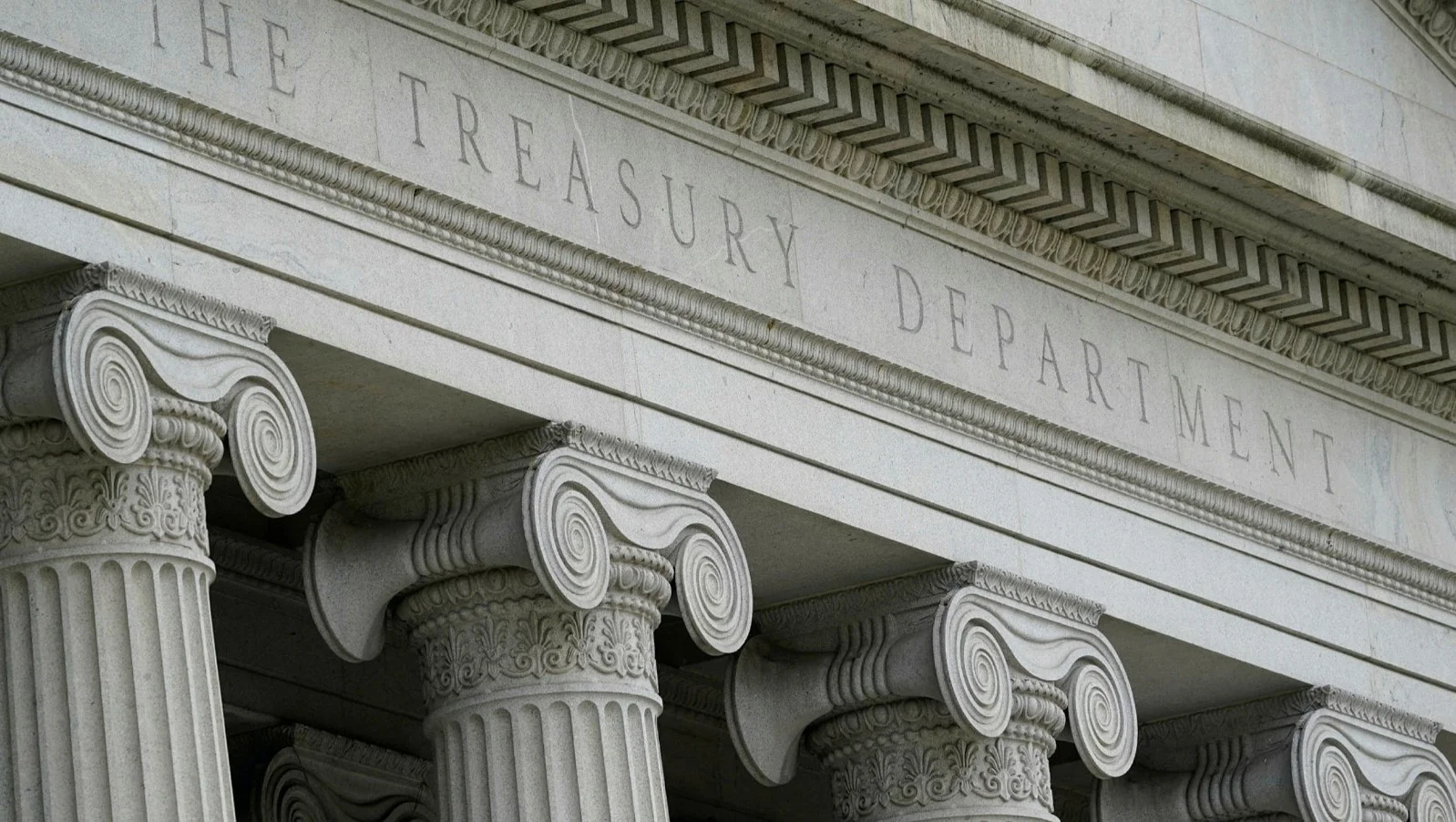
The United States Treasury Department has officially recognized India’s robust economic comeback following three waves of the pandemic. In a recent half-yearly report submitted to the US Congress, officials highlighted how the nation successfully navigated through challenges to post impressive growth numbers.
Rapid Recovery After Economic Contraction
The report details the rollercoaster journey of the Indian economy over the last two years. The global pandemic caused severe disruptions worldwide, and India was not spared during the initial phase.
According to the data analyzed by the Treasury, India faced a tough economic contraction in 2020. The country saw its growth shrink by approximately 7 percent during that fiscal year due to strict lockdowns and halted production.
However, the narrative changed largely in 2021. The report praises the resilience of the Indian market and its ability to bounce back.
Following the sharp decline, the Indian economy recorded a growth rate of 8 percent in 2021. This recovery was faster than many analysts had predicted during the height of the crisis.
“Economic activity has rebounded strongly in 2021, driven by a revival in domestic demand and the resumption of business operations across the country.”
The Treasury officials noted that this quick turnaround signifies the underlying strength of India’s financial foundations. The ability to pivot from a negative 7 percent to a positive 8 percent within a year is seen as a major achievement.
Vaccination Success Limited Omicron Impact
A major factor credited for this economic revival is the country’s aggressive vaccination strategy. The report highlights that health security played a direct role in economic security.
By the end of 2021, roughly 44 percent of India’s vast population had received their full dose of the vaccine. This wide coverage provided a safety net that allowed markets to reopen with confidence.
The benefits of this vaccination drive were clearly visible when the third wave hit. In early 2022, the Omicron variant spread across the globe, causing panic in many nations.
- The third wave arrived in India in early 2022.
- Unlike the second wave, the economic disruption was minimal.
- Casualties remained lower compared to previous outbreaks.
- Business supply chains remained largely intact.
Because the population had better immunity protection, the economic losses during the Omicron wave were kept low. This stability allowed the growth momentum from 2021 to continue into the new year without a hard brake.
Surge in Trade and Global Remittances
The report also sheds light on India’s expanding footprint in global trade. As domestic demand returned, the need for goods and services skyrocketed.
Total imports in India jumped by 54 percent in the latter half of 2021. This increase was driven by the need for raw materials and consumer goods as factories ramped up production to meet post-pandemic needs.
Exports also saw a very healthy rise. The Treasury expects exports to have grown by around 43 percent in 2021. This indicates that Indian products are finding more buyers in the international market.
| Economic Indicator | Growth / Value (2021-2022) |
|---|---|
| GDP Growth (2021) | 8% |
| Import Increase | 54% |
| Export Growth (Expected) | 43% |
| Remittances Received | $87 Billion |
Another bright spot mentioned in the report is the flow of money from overseas. Remittances are a vital source of income for many families in India and support the broader economy.
By 2021, remittances sent to India increased by 5 percent. This brought the total inflow to a massive $87 billion. According to data from the World Bank’s migration and development brief, India continues to be the largest recipient of remittances globally, which helps stabilize the currency and fund consumption.
Government Spending and Fiscal Deficit
To support the economy during these difficult times, the Indian government adopted a strategy similar to the one used during the Great Depression. This involved heavy spending to keep money flowing.
The government continued to provide funding to various sectors to prevent a total collapse. While this helped save jobs and businesses, it did have an impact on the national balance sheet.
As a result of this necessary spending, the fiscal deficit widened to 6.9 percent in 2022. A fiscal deficit occurs when a government spends more money than it earns from taxes and other revenues.
However, US officials viewed this in the context of emergency management. The spending was essential to protect the vulnerable sections of society and ensure that the recovery was not derailed.
Strengthening US-India Trade Relations
The report concludes with observations on the bilateral relationship between the two nations. The trade partnership between India and the United States has improved significantly.
The US Treasury monitors major trading partners to ensure fair practices. The positive tone of this report suggests a warming of economic ties.
This comes at a time when global supply chains are shifting. India is positioning itself as a key player in the global market, and the United States seems to be taking note of this rise.
For detailed insights, one can refer to the official press release regarding the Report to Congress on macroeconomic and foreign exchange policies. The acknowledgment of India’s recovery signals confidence in the country’s future economic trajectory.
This recognition from a major global power serves as a testament to the hard work of Indian citizens and the strategic decisions made during the crisis.
India’s comeback story is inspiring! It shows how resilience and smart moves like vaccination can turn the tide. If this news makes you feel proud or hopeful about the economy, please share this article with your friends and family.
#IndiaEconomy #EconomicGrowth #USTreasury #IndiaRising #GDP #BusinessNews
Disclaimer: This article provides a summary of economic reports and financial data. It is for informational purposes only and does not constitute financial advice. Readers should consult with a qualified financial advisor before making investment decisions.


