
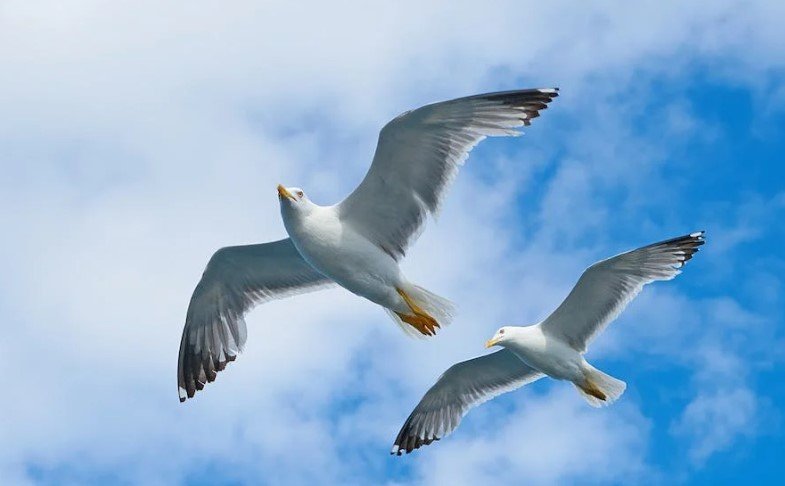
For centuries, humans have looked up at the sky with wonder. We watch birds soar, dive, and glide with a freedom that we can only dream of. From the tiny hummingbird hovering over a flower to the massive eagle riding the wind, these creatures have mastered the air. Their ability to fly is not just beautiful to watch. It is a perfect example of nature’s engineering.
To understand this skill, we must look at how their bodies are built and the science of how they move. Bird flight relies on a unique combination of lightweight anatomy, specialized feathers, and the laws of physics to generate lift and speed. Exploring these secrets helps us appreciate the delicate balance of our environment and the animals that live in it.
Anatomy of Birds That Aids in Flight
The body of a bird is a marvel of biological design. Every part of them is shaped to help them stay in the air. This is not an accident but the result of millions of years of changes. To fly, an animal must be light but also very strong. The most obvious feature is the wing. Wings are the main tools for lift.
However, wings are not the only part that matters. Inside the bird, there are many hidden features that make flight possible. For example, their bones are not like human bones. They are hollow. This makes the skeleton very light. But inside these hollow spaces, there are struts that keep the bones strong so they do not break under the pressure of flying.
Muscles play a huge role as well. A bird has massive chest muscles. These muscles are much larger compared to their body size than in other animals. They provide the power needed to flap the wings for long periods. Without this strength, even the best wings would be useless.
- Feathers: These are lightweight and interlock to catch the air. They act like the skin of an airplane wing.
- Beak: Instead of a heavy jaw with teeth, birds have a light beak. This reduces weight at the front of the body.
- Tail: The tail acts like a rudder on a boat. It helps the bird steer and balance.
- Legs and Feet: These retract against the body to make the bird smooth and streamlined in the air.
The respiratory system of a bird is also very efficient. Flying takes a lot of energy and oxygen. Birds have a system of air sacs that allows a constant flow of fresh air into their lungs. This gives them the endurance to fly for thousands of miles.
Aerodynamics and Physics of Bird Flight
Flying is a battle against the forces of nature. For a bird to stay in the air, it must master four main forces. These are lift, drag, thrust, and gravity. Understanding how these work together explains how a heavy bird can float on invisible air.
Lift is the force that pushes the bird up. It is created by the shape of the wing. As air moves over the curved top of the wing, it moves faster than the air underneath. This creates lower pressure on top, pulling the bird upward. It is the same principle that airplanes use.
Drag is the enemy of flight. It is the resistance of the air pushing back against the bird. To fight this, birds have smooth feathers that allow air to slip past them easily. This is why birds tuck their legs in. They want to be as sleek as possible to reduce drag.
“The balance between lift and gravity determines if a bird rises or falls, while the battle between thrust and drag decides its speed.”
Thrust is the force that moves the bird forward. While an airplane uses an engine, a bird uses its muscles. When a bird flaps its wings down, it pushes the air back. This action propels the bird forward. Gravity is the force pulling the bird down to earth. Lift must be stronger than gravity for the bird to fly.
| Force | Function | Source in Birds |
|---|---|---|
| Lift | Keeps the bird in the air | Wing shape and air speed |
| Gravity | Pulls the bird down | The bird’s weight |
| Thrust | Moves the bird forward | Flapping muscles |
| Drag | Slows the bird down | Air resistance |
You can learn more about the specific mechanics of these forces by reading about how birds fly from the Library of Congress. Their simple breakdown helps visualize how these invisible forces interact.
Different Types of Bird Flight
Not all birds fly in the same way. Different species have adapted their flight styles to fit their needs. Some need to be fast to catch prey. Others need to save energy to travel long distances. The way a bird flies tells us a lot about how it lives.
Gliding is a very energy-efficient method. In this mode, the bird holds its wings out and coasts on the air. They do not flap. This saves a lot of energy. Large birds like albatrosses are masters of this. They can glide for hours over the ocean without flapping once.
Flapping flight is what we see most often. This is the active power flight. It is used by smaller birds like sparrows and robins. It requires a lot of energy, but it gives the bird total control. They can take off quickly and dodge obstacles with ease.
Hovering is a rare and difficult skill. Hummingbirds are the most famous for this. They flap their wings so fast that they can stay in one spot in the air. This allows them to drink nectar from flowers. It takes a huge amount of energy, so these birds must eat constantly.
Soaring is similar to gliding but involves rising air. Birds find columns of warm air rising from the ground, called thermals. They circle inside these columns to be lifted higher and higher. Eagles and vultures use soaring to patrol large areas without getting tired.
Formation of Birds and Flock Dynamics
Seeing a flock of birds move together is one of nature’s most impressive sights. Whether it is a V-formation of geese or a swirling cloud of starlings, there is a purpose behind the pattern. Flocking is vital for survival. It is not just about being social; it is a programmed instinct.
Safety is the biggest reason to flock. With many eyes watching, it is harder for a predator to sneak up on them. If one bird spots danger, it alerts the whole group. This shared vigilance allows other birds to eat or rest more peacefully.
Energy conservation is another huge benefit, especially for large birds. When a bird flaps its wings, it creates a swirl of air at the wingtip. This swirl creates a little bit of upward lift behind the bird. By flying in a V-formation, the birds behind the leader can ride this free lift. This makes their journey much easier.
Communication holds the flock together. Birds talk to each other constantly. They use sounds to warn of danger or signal that it is time to move. But they also use visual cues. A tilt of the wing or a bob of the head can send a message to the bird next to them.
There are different shapes for different goals:
- V-Formation: Best for long-distance travel to save energy.
- Wedge Formation: Similar to the V, often used by smaller groups.
- Line Formation: Used by sea birds skimming the waves.
- Cluster Formation: Used by small birds like starlings to confuse predators.
Acrobatics in the Air
Birds are not just efficient travelers; they are also aerial acrobats. Their agility allows them to hunt fast insects or escape quick predators. This agility comes from their ability to change the shape of their wings instantly. An airplane has rigid wings, but a bird has flexible wings.
To turn quickly, a bird might tuck one wing in slightly. This reduces lift on that side and causes the bird to bank sharply. They can also fan out their tail feathers to act like a brake. This allows them to stop in mid-air or make tight turns that seem impossible.
The shape of the wing dictates the type of acrobatics a bird can do. Short, rounded wings are great for quick bursts of speed and tight maneuvering in forests. This is why hawks that live in the woods have this wing shape. Long, pointed wings are built for speed and diving, like the wings of a falcon.
Diving is one of the most extreme maneuvers. Predatory birds will fold their wings tight against their body to become a falling missile. They use gravity to reach incredible speeds. Then, at the last second, they open their wings to catch the air and strike their target.
Migration and Long Journeys
Migration is the ultimate test of a bird’s flying ability. It is a seasonal journey that millions of birds take every year. They travel from breeding grounds to feeding grounds. This movement is driven by the need for resources. As winter approaches, food becomes scarce in cold areas.
There are long-distance migrants and short-distance migrants. Some birds travel from the Arctic all the way to Antarctica and back. This is thousands of miles of flying. Others might just move from the top of a mountain down to the valley where it is warmer.
Weather plays a critical role in these journeys. Birds are experts at reading the weather. They wait for favorable winds to help push them along. Flying against a strong wind uses too much energy. A storm can be deadly, forcing birds to land and wait it out.
Finding their way is a mystery that science is still unraveling. Birds use landmarks, the position of the sun and stars, and even the earth’s magnetic field to navigate. It is a complex system that ensures they return to the exact same spot year after year. You can read more about these incredible journeys in this guide on bird migration from the U.S. Fish and Wildlife Service.
Conclusion
The world of Sky Dancers is filled with beauty and science. From the physics that lift them into the air to the instincts that guide their migration, birds are truly amazing. Watching them offers us a connection to the wild world. We must protect their habitats so that future generations can also look up and see the graceful ballet of birds in flight. Share this story to spread the wonder of nature.
#SkyDancers #BirdFlight #NatureScience #AvianAnatomy #WildlifeConservation #BirdWatching #NatureLovers


