
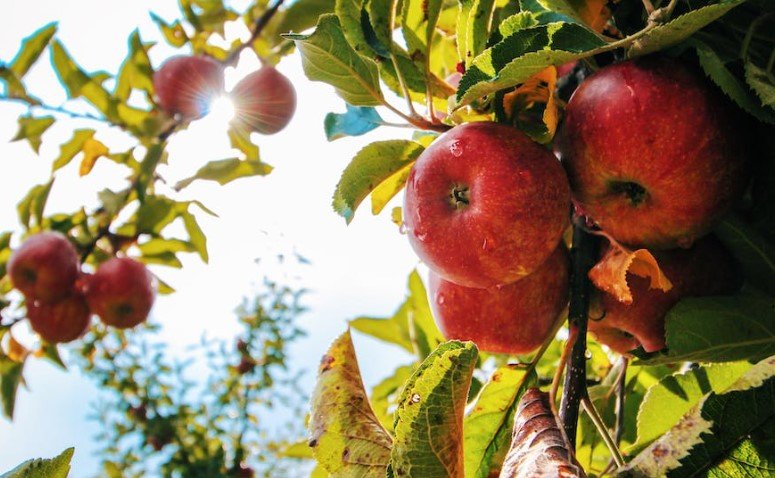
Growing your own fruit is one of the most rewarding things you can do in your garden. There is nothing quite like the taste of a fresh apple, peach, or pear picked straight from a tree you cared for yourself. However, getting a big harvest requires more than just planting a tree and waiting for rain.
Pruning helps your tree direct its energy into growing big and sweet fruit instead of just growing more wood. It also keeps the tree healthy by letting air and sunlight reach every branch, which stops diseases from taking over.
Why Pruning is Essential for Fruit Quality
Many new gardeners are afraid to cut their trees. They worry they will hurt the plant. But the truth is that avoiding the shears causes more harm than good. An unpruned tree becomes a thick bush of leaves and weak branches.
When a tree is too thick, sunlight cannot reach the center. This causes the fruit inside to be small and lack flavor. Pruning opens up the canopy so light hits every leaf. This process powers the tree to create sugar, which ends up in your fruit.
Good airflow is just as important as sunlight. According to Penn State Extension, proper pruning allows air to dry out wet leaves quickly. This is vital because many tree diseases, like fungus and rot, need moisture to grow. By thinning out the branches, you reduce the risk of these problems ruining your harvest.
The structure of your tree also matters for safety. If a branch is weak or grows at a bad angle, it might snap under the weight of a heavy crop. Pruning builds a strong frame that can hold up all those delicious fruits without breaking.
Understanding the Types of Cuts
Before you start cutting, you need to know the difference between the two main types of cuts. Each one sends a different signal to the tree. Mixing them up can lead to a tree that grows wildly instead of producing fruit.
The first type is the Heading Cut. This is when you cut off just a part of a branch. You usually do this to shorten a long branch. This cut tells the tree to wake up the sleeping buds below the cut. It results in a burst of new growth near the cut, making the tree bushier.
The second type is the Thinning Cut. This is when you remove an entire branch or shoot right back to its origin point. You do not leave a stub. This cut is used to let light in and reduce crowding. It does not cause a lot of new growth but helps the tree focus energy on the remaining branches.
“Thinning cuts are the best way to open up a tree without causing a massive regrowth of water sprouts.”
Here is a simple breakdown of when to use each cut:
| Cut Type | Action | Result |
|---|---|---|
| Heading Cut | Removes part of a branch | Encourages new side branches to grow |
| Thinning Cut | Removes whole branch | Improves light and airflow |
The Best Time to Prune Your Trees
Timing is everything when it comes to tree care. If you prune at the wrong time, you might cut off flower buds or leave the tree open to winter damage. For most fruit trees, the rule is simple: prune when they are sleeping.
Late winter is usually the ideal time. This is when the tree is dormant and has no leaves. Without leaves, you can clearly see the structure of the branches. You can easily spot broken limbs or crossing branches that need to go. Pruning in late winter also helps the tree heal quickly once spring growth starts.
However, not all trees are the same. Apples and pears love winter pruning. But stone fruits, like peaches and apricots, can be a bit more sensitive. In some climates, it is better to prune these in early spring to avoid disease entering the cuts during wet winter weather.
Summer pruning is also an option, but it serves a different purpose. Cutting in the summer takes away energy-producing leaves. This slows down the growth of the tree. You might do this if your tree is getting too big and you want to keep it small.
Tools You Need and Safety Tips
You cannot do a good job with bad tools. Using dull or rusty blades can crush the wood instead of cutting it cleanly. Crushed wood takes longer to heal and invites pests. You need a few specific tools to handle branches of different sizes.
Here is a list of the essential gear:
- Hand Pruners: Best for small twigs up to half an inch thick.
- Loppers: These have long handles and are good for branches up to an inch or two thick.
- Pruning Saw: Essential for thick limbs that are too big for loppers.
- Pole Pruner: Helps you reach high branches without climbing a ladder.
Safety is a major part of the job. Always wear gloves to protect your hands from scratches and thorns. Eye protection is also a must. Branches can snap back unexpectedly, and sawdust can fall into your eyes when looking up.
Be careful with ladders. The ground in a garden is often soft or uneven. Make sure your ladder is stable before you climb. If a branch is near a power line, do not touch it. Call a professional instead. Keeping yourself safe is more important than any piece of fruit.
A Step-by-Step Guide to Pruning
Now that you have your tools, it is time to work. It can feel overwhelming to look at a messy tree, but if you follow a system, it is easy. The goal is to clean up the tree and give it a strong shape.
First, look for the “Three Ds”: Dead, Damaged, and Diseased wood. Remove these branches immediately. They serve no purpose and can hurt the tree. Cut them back to healthy wood or remove them entirely.
Next, look for suckers and water sprouts. Suckers are shoots that grow from the base of the trunk. Water sprouts are straight shoots that grow straight up from main branches. The University of New Hampshire Extension notes that these shoots steal energy from the fruit and should be removed.
Finally, thin out the canopy. Look for branches that are crossing or rubbing against each other. Rubbing creates wounds that let in disease. Remove the weaker of the two branches. Try to open the center of the tree so it looks a bit like a vase or an open hand. This lets the sun shine right into the middle.
When you make a cut, do it at a 45-degree angle just above a bud that faces outward. This encourages the new branch to grow away from the center of the tree, keeping the shape open and airy.
Common Pruning Mistakes to Avoid
Even experienced gardeners make mistakes. The most common error is being too gentle. You might feel bad cutting off so much wood. But remember, a well-pruned tree is a healthy tree. If you leave too many branches, the fruit will be small and green.
Another mistake is leaving a “stub.” This happens when you do not cut close enough to the main branch. Stubs cannot heal properly and will eventually rot. On the other hand, do not cut flush against the trunk either. You want to leave the “branch collar,” which is the slightly swollen area where the branch meets the trunk.
Avoid “topping” your trees. Topping is when you just chop off the top of the tree to reduce its height. This results in a weak, ugly tree that produces a lot of leaves but very little fruit. Instead, use thinning cuts to lower the height gradually over time.
Lastly, keep your tools clean. If you cut a diseased branch and then move to a healthy one, you can spread the sickness. Wipe your blades with rubbing alcohol between cuts if you suspect disease.
Conclusion
Pruning your fruit trees is a labor of love that pays off in big, sweet harvests. It keeps your trees strong, healthy, and manageable. Don’t be afraid to make those cuts! Start this season, and you will see the difference in your fruit bowl. Share this guide with your gardening friends and let us know your pruning tips in the comments below!
#FruitGardening #PruningTips #GardenHarvest #OrganicGardening #HomeOrchard #TreeCare
Disclaimer: This article is for informational purposes only. Pruning involves sharp tools and working at heights, which carries risks. Always prioritize safety and consult a certified arborist for large trees or if you are unsure about proper techniques.


