
Asphalt is a strong and reliable material used for driveways and parking lots, but it is not immune to the weather. Sun, rain, and heavy cars can wear it down over time. If you ignore small signs of damage, they can turn into big, expensive problems later.
Regular asphalt crack repair and maintenance is the most effective way to extend the life of your pavement and prevent costly structural damage. By fixing cracks early, you stop water from getting under the surface and ruining the foundation.
identifying The Different Types Of Asphalt Cracks
Before you can fix the problem, you need to know exactly what you are looking at. Not all cracks are the same. They happen for different reasons and might need different repair methods.
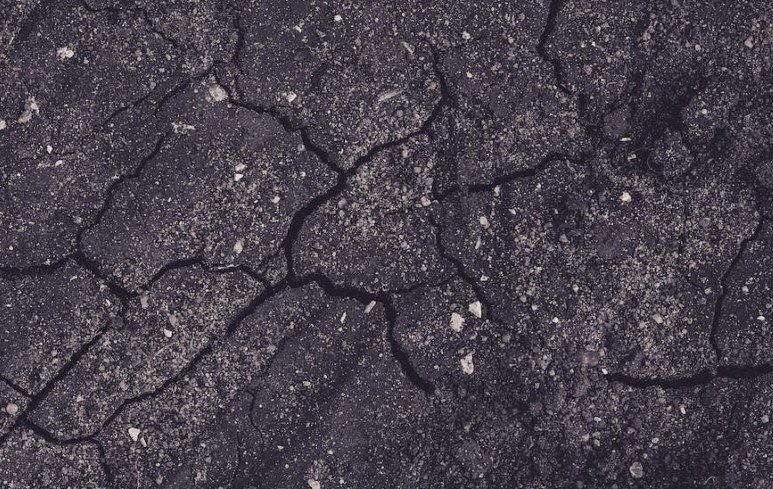
Block cracks are very common. These look like large, interconnected rectangles that divide the pavement into pieces. This usually happens because the asphalt was not laid down correctly or because of extreme temperature changes. If the road shrinks and expands too much, these block shapes appear.
Transverse cracks run across the driveway, perpendicular to the direction you drive. These are often caused by the daily cycle of the pavement getting hot and then cooling down. You will often see these cracks clustered together. They are usually wide but not very deep.
Longitudinal cracks are different because they run parallel to the direction of traffic. You will mostly see these along the edges of the pavement or down the center. These appear when the pavement is too thin or when heavy trucks drive over it constantly. It is also a sign that the asphalt is getting old.
Reflection cracks happen when a new layer of asphalt is put on top of an old, damaged layer. The movement in the old layer moves up into the new layer. This causes the old crack pattern to “reflect” through the new surface.
According to the Federal Highway Administration’s Distress Identification Manual, correctly identifying these distress types is the first step in selecting the right repair strategy for long-term performance.
Why Your Driveway Or Parking Lot Breaks Down
Understanding the root cause of the damage helps you prevent it from happening again. Several factors work together to weaken the surface.
Heavy traffic is a major enemy of asphalt. While a driveway is made for cars, heavy delivery trucks or buses put too much stress on the surface. The weight pushes down on the pavement structure. Over time, this pressure creates weak spots that eventually crack open.
The age of the asphalt plays a big role. Fresh asphalt is flexible and black because of the oil inside it. As time passes, the sun dries out this oil. The pavement becomes gray and brittle. When it loses flexibility, it snaps instead of bending under weight.
Water penetration is perhaps the most damaging factor. When water gets into small cracks, it settles in the base. If the temperature drops below freezing, that water turns to ice and expands. This expansion pushes the asphalt up. When the ice melts, it leaves a gap, causing the pavement to collapse into a pothole.
“Water is the enemy of asphalt. Once it penetrates the surface, it compromises the sub-base, leading to structural failure that is expensive to fix.”
Improper installation is another common cause. If the workers did not prepare the dirt foundation correctly, the asphalt will not have a solid base to sit on. Also, if the asphalt layer is too thin, it will crack prematurely under normal use.
Preparing The Surface For Effective Repair
You cannot just pour filler into a dirty crack and hope it sticks. Preparation is the most critical part of the repair process. If the area is dirty, the repair material will peel up in a few months.
Start by gathering the right tools. You will need a wire brush to scrub the walls of the crack. A chisel or a scraper helps you hook out rocks and weeds. For the best results, many professionals use a propane torch to burn off vegetation and dry out the area.
Required Tools Checklist:
- Stiff wire brush
- Metal chisel or scraper tool
- Propane torch (optional but recommended)
- Caulking gun for tube fillers
- Heavy-duty gloves and safety glasses
- Dust mask
Cleaning must be thorough. Use the wire brush to scrub inside the crack aggressively. You need to remove all loose dirt, moss, and loose stones. If you have a garden hose or pressure washer, you can wash the crack out, but you must let it dry completely before filling it. Water and asphalt repair materials do not mix well.
Safety is very important during this stage. The materials used for repair often contain chemicals. Always wear your gloves and safety glasses. If you use a torch to burn weeds, make sure there are no dry leaves nearby that could catch fire. Keep children and pets away from the work area.
Methods For Filling And Sealing Cracks
Once the area is clean and dry, you can start the actual repair. The method you choose depends on the size of the damage.
For small cracks that are less than a half-inch wide, cold liquid pour fillers are excellent. These usually come in a bottle or a jug. You simply pour the material into the crack. It is self-leveling, which means it spreads out evenly on its own.
For larger cracks or areas that look like spiderwebs, you might need cold asphalt patch. This material comes in a bag and looks like loose gravel coated in tar. You shovel it into the hole and then tamp it down. Compacting it is key to making it hard and durable.
| Repair Material | Best Used For | Application Method |
|---|---|---|
| Crack Filler (Liquid) | Thin, linear cracks (less than 1/2 inch) | Pour from bottle or use caulking gun |
| Cold Patch | Potholes and wide gaps | Shovel in and tamp down firmly |
| Hot Melt Sand Mix | Professional-grade repairs | Requires heating equipment to apply |
Application technique matters. If you are using a trowel-applied patch, overfill the crack slightly. As the material dries, it will shrink a little bit. Use a putty knife or trowel to smooth the edges so it is level with the rest of the driveway. This prevents a bump that could trip someone.
Curing time is different for every product. Some fillers dry in a few hours, while others take days. Temperature affects this significantly. Most manufacturers recommend applying these products when the weather is at least 60 degrees Fahrenheit. If it is too cold, the bond will fail. Always check the label on your product for specific drying times.
For more detailed steps on DIY repairs, The Family Handyman’s guide on asphalt driveway repair offers excellent visual instructions on how to apply these fillers correctly.
The Importance Of Sealcoating
Filling cracks is fixing damage that has already happened. Sealcoating is preventing damage from happening in the first place. Think of sealcoating like sunblock for your driveway.
Sealcoating places a protective layer over the entire asphalt surface. This layer blocks UV rays from the sun, which dry out the asphalt. It also stops water and oil spills from penetrating the surface. This keeps the pavement flexible and black.
There are different types of sealants available. Coal tar sealers are very durable and resist fuel spills well. Asphalt emulsion sealers are safer for the environment and smell less, but they might not last quite as long. Acrylic sealers are expensive but offer great color and durability.
You should not seal a driveway immediately after installing it. The fresh asphalt needs to cure for at least six months. After that, experts recommend sealing the surface every two to three years. If you seal it too often, the layers build up and can peel or crack like old paint.
When applying sealer, the weather must be right. You need a string of warm, dry days. Do not apply sealer if rain is in the forecast. Use a squeegee or a specialized brush to spread the sealer in thin, even coats. Two thin coats are always better than one thick coat, which might not dry properly.
When To Hire A Professional
While many homeowners can handle small cracks, some jobs are too big for a DIY fix. Knowing when to call a pro can save you money in the long run.
If you have “alligator cracking,” where the pavement looks like reptile skin scales, the base has likely failed. Pouring filler on this won’t help. A professional needs to cut out that section of asphalt and rebuild the foundation.
Professionals also have access to hot-pour rubberized crack fillers. This material is heated to high temperatures and injected into the crack. It is much more flexible and lasts longer than the cold fillers you buy at the hardware store. It expands and contracts with the weather without breaking.
A professional asphalt company can assess the overall health of your pavement. They can spot drainage issues that might be causing the cracks. They also have large machines that can seal a large parking lot or long driveway much faster and more evenly than you can by hand.
According to the National Asphalt Pavement Association, timely professional maintenance and rehabilitation are essential strategies to preserve the pavement investment and ensure safety for users.
Conclusion
Taking care of your asphalt is an investment in your property. By inspecting your driveway regularly and filling cracks as soon as they appear, you stop small issues from becoming major expenses. Remember to clean the area well before repairing it and apply a sealcoat every few years to keep it protected from the elements. Whether you do it yourself or hire a pro, keeping your pavement smooth and sealed increases your home’s curb appeal and value.
Disclaimer: This article provides general information for home improvement and maintenance. Always follow manufacturer instructions for all tools and chemical products. If you are unsure about the structural integrity of your pavement, consult a licensed professional engineer or contractor.


