
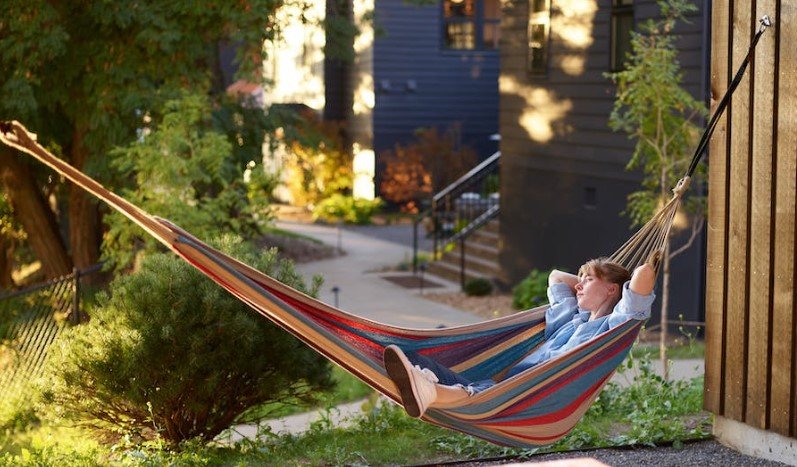
Creating a garden is one of the most rewarding projects you can undertake for your home. It transforms a simple patch of grass into a personal sanctuary where you can relax, entertain, or grow your own food. A successful garden connects you with nature and provides a sense of accomplishment every time you see a new flower bloom.
However, jumping in without a plan can lead to wasted money and struggling plants. To design your dream garden effectively, you must first assess your available space, strictly identify your soil type and lighting conditions, and sketch a clear layout before buying a single plant. Taking these initial steps ensures your outdoor space is both beautiful and sustainable for years to come.
Evaluating Your Space and Environmental Conditions
The first step in garden design is understanding exactly what you are working with. You cannot change the size of your yard easily, but you can work with its unique features to create something amazing. Start by taking accurate measurements of the entire area you want to landscape.
Sunlight is the engine that drives your garden’s growth. You need to observe how the sun moves across your yard throughout the day. Some areas might receive hot afternoon sun, while others stay in cool shade under trees or fences.
Soil quality is just as important as sunlight. Different plants need different soil textures and nutrient levels to survive. You should dig a few small holes to check if your ground is sandy, clay-heavy, or loamy. For precise results, you can send a sample to a local lab. According to the University of Massachusetts Amherst Soil and Plant Nutrient Testing Laboratory, a soil test is the best way to determine the pH level and nutrient status of your soil, which saves you from guessing which fertilizers to use.
Climate also plays a huge role in what you can grow. You must know your hardiness zone to pick plants that can survive your local winter. Using the official USDA Plant Hardiness Zone Map helps you determine which plants are most likely to thrive at your specific location.
Sketching Your Ideas and Defining Goals
Once you know the physical limits of your space, it is time to dream about what you want it to become. Ask yourself how you plan to use the garden most often. Some people want a vegetable patch to feed their family, while others want a flower-filled oasis for reading.
Grab a piece of graph paper and draw a rough sketch of your yard. Mark down existing features that you plan to keep, such as large trees, sheds, or fences. This drawing does not need to be perfect, but it should be to scale so you can see how much room you really have.
Consider the flow of movement through your garden. You need wide enough paths to walk comfortably and perhaps push a wheelbarrow. Think about where you want to place seating areas to enjoy the best views of your new plants.
“A garden design plan acts as a roadmap, preventing impulse buys at the nursery and ensuring every plant has a purpose and a place.”
Be realistic about your budget and maintenance time. A massive garden requires hours of work every week. If you have a busy lifestyle, you might prefer a low-maintenance design with hardy shrubs and automated irrigation.
Incorporating Structure with Hardscaping
Plants give a garden life, but hardscaping gives it bones. Hardscaping refers to the non-living elements like pathways, patios, walls, and fences. These features provide structure and make the garden usable year-round, even when flowers die back in winter.
Pathways guide visitors through your space and protect your soil from being compacted by foot traffic. You can choose materials that match your home’s style. Gravel offers a casual, crunchy texture underfoot, while sleek pavers look modern and neat.
| Material | Best Use | Maintenance Level |
|---|---|---|
| Gravel | Casual paths, drainage areas | Medium (needs raking) |
| Brick | Traditional patios, edging | Low to Medium |
| Concrete | Modern walkways, driveways | Low |
| Natural Stone | Organic, rustic looks | Low |
Patios create a destination within the garden. This is where you will place your table and chairs for outdoor dining. Ensure the ground is level and the material is durable enough to withstand your local weather conditions.
Walls and fences add privacy and definition. A low stone wall can double as extra seating during parties. If you want to block a bad view or reduce noise from a street, a tall wooden fence or a dense hedge is a practical solution.
Selecting the Right Plants and Flowers
Choosing plants is often the most exciting part of the process. However, you must resist the urge to buy everything that looks pretty at the store. Stick to the list of plants that match the sun and soil conditions you identified earlier.
Aim for a mix of plants to keep the garden interesting across all seasons. Trees and shrubs provide height and permanent structure. Perennials come back every year, offering reliable color, while annuals provide quick bursts of bright blooms for a single season.
- Native Plants: These are adapted to your local climate and require less water and fertilizer.
- Evergreens: These keep their leaves all year, preventing your garden from looking bare in winter.
- Pollinator Plants: Flowers like lavender and coneflower attract bees and butterflies, which help your ecosystem.
Think about color schemes and bloom times. You want to arrange plants so that when one finishes blooming, another one starts. This ensures you have color in your garden from spring through autumn.
Don’t forget about texture. Combining fine grasses with large-leafed hostas creates visual contrast. This makes the garden look lush and professionally designed, even if you just did it yourself.
Establishing a Maintenance Routine
A dream garden requires care to stay beautiful. Planning for maintenance now will save you a lot of back-breaking work later. Water is the most critical resource, especially for new plants establishing their roots.
Water deeply and less frequently rather than sprinkling a little bit every day. Deep watering encourages roots to grow down into the soil to find moisture. This makes your plants stronger and more drought-resistant over time.
Weeding and mulching go hand in hand. A thick layer of organic mulch helps retain soil moisture and suppresses weed seeds. Pulling weeds when they are small is much easier than trying to dig out established roots later.
Pruning is essential for the long-term health of trees and shrubs. It improves air circulation and removes dead or diseased wood. According to Penn State Extension, proper pruning can also stimulate fruit production and flowering, but it is crucial to use sharp tools and cut at the correct angle to avoid damaging the plant tissue.
Finally, keep an eye out for pests. You do not always need harsh chemicals. often, simply blasting aphids with a hose or encouraging ladybugs is enough to keep the balance. Regular inspections help you catch problems before they destroy your hard work.
Conclusion
Designing your dream garden is a journey that mixes creativity with patience. By planning carefully and respecting your land’s natural conditions, you can build an outdoor space that brings you joy for decades. Start small, be consistent with your care, and watch your vision come to life one season at a time. Do not forget to share your progress online and inspire others to start digging.
#GardenDesign #BackyardOasis #GardeningTips #DIYGarden #OutdoorLiving #PlantLovers
Disclaimer: Some plants mentioned or commonly used in gardening may be toxic to pets or humans if ingested. Always research plant toxicity before planting, especially if you have children or animals. Wear protective gear when handling soil or sharp tools.


