
Windsurfing is a sport that welcomes people of all shapes, sizes, and skill levels. While some riders look graceful effortlessly, others need time to find their balance on the water. Everyone starts as a beginner, and even the most experienced sailors learn something new every time they head out into the ocean.
You do not need to be an Olympian to enjoy the thrill of gliding across the waves. To improve your windsurfing skills, you need a mix of consistent practice, expert mentorship, proper gear maintenance, and the ability to read wind and water conditions accurately.
Finding the Right Mentor and Community
Improving your technique is often difficult when you are doing it alone. You might make the same mistakes repeatedly without realizing it. This is why finding a mentor is one of the fastest ways to get better. A mentor can watch your stance and correct your sail position in real-time. This immediate feedback helps you fix bad habits before they stick.
You can find help through social media groups or by asking around at local beaches. Many experienced riders are happy to share tips if you ask politely. If you prefer a structured approach, look for clinics or courses. Sailing clubs often offer these lessons as part of a membership.
Joining a club is another fantastic option. Clubs usually meet weekly and offer a supportive environment. You get to sail with others, which pushes you to try harder. They also organize trips and social events. These gatherings are great for sharing stories and learning from the collective experience of the group.
| Learning Method | Pros | Cons |
|---|---|---|
| Self-Taught | Free and flexible schedule | Slower progress and risk of bad habits |
| Private Mentor | Personalized attention | Hard to find the right person |
| Sailing Club | Structured lessons and social events | Requires membership fees |
Being around other sailors helps you learn sailing terminology and safety rules naturally. You will pick up on how they rig their gear and how they handle sudden changes in weather. This community aspect makes the learning process much more enjoyable and less isolating.
Optimizing Your Board and Fin Setup
Many beginners struggle not because of a lack of talent, but because their equipment is holding them back. The connection between your board and the water is crucial. This is usually determined by your fin or daggerboard. Understanding the difference between these two parts is key to stabilizing your ride.
A fin is generally smaller and helps the board track straight while reducing drag. A daggerboard is larger and can be retracted. It provides significant resistance against the water to stop you from drifting sideways. Beginners often benefit from a daggerboard because it adds stability.
“Your gear should work with you, not against you. A fin that is too small for your skill level will make the board feel slippery and hard to control.”
If you are finding it hard to stay upwind, check your fin. A larger fin gives you more lift and helps you push against the water more effectively. As you get better, you can switch to smaller fins that allow for higher speeds and tighter turns. Investing in a high-quality fin from a reputable brand can instantly improve your ride comfort.
Also, ensure your foot straps are set correctly. If they are too loose, you lose control. If they are too tight, you cannot get your feet in quickly. Adjusting your equipment to fit your body size and skill level is a simple step that yields big results.
Mastering Environmental Conditions
You can practice windsurfing movements on land, but you cannot replicate the wind and waves perfectly. Learning to read the environment is a major skill. You need to know where the wind is coming from and how strong it is. This is often called “reading the wind.”
Start by observing the water from the beach. Dark patches on the water usually indicate gusts of wind. Whitecaps on the waves suggest stronger wind speeds. Knowing this helps you decide which sail size to rig. If the forecast predicts storms or high surf, it is safer to stay on land unless you are an expert.
- Light Breeze: Good for practicing balance and basic steering.
- Moderate Wind: Ideal for learning to plane and use the harness.
- Strong Wind: Only for advanced riders practicing jumps or high-speed runs.
- Offshore Wind: Blows from land to sea; be careful as it can push you far away.
Reading the water is just as important as reading the wind. You need to understand currents and tides. A strong current can pull you off course even if you are sailing perfectly. Practice launching from different spots to see how the waves break. This helps you learn how to navigate through the surf zone without getting washed back to shore.
According to the Royal Yachting Association (RYA), understanding local hazards and weather conditions is the foundation of staying safe on the water. Always check the forecast before you pack your car.
Technical Skills and Wave Riding
Once your gear is ready and you have checked the weather, it is time to hit the water. Your first goal should be getting comfortable with basic movements. This includes the uphaul (pulling the sail up), steering, and turning. Turning comes in two main forms: tacking (turning into the wind) and gybing (turning away from the wind).
Riding waves adds a new layer of difficulty. You must learn to time your movements. You need to dive down, lift your feet, and paddle or water-start quickly. If you hesitate, the wave can knock you over. Advanced riders make this look easy because they anticipate the wave rather than reacting to it.
Body position is everything. Keep your knees bent and your back straight. Let the harness take the weight of the sail so your arms do not get tired. When you are planing (skimming fast over the water), lean back and trust the wind to hold you up. This stance is efficient and allows you to sail for hours.
Practice in safe areas first. Find a flat water spot or a river with a steady breeze. This allows you to focus on your technique without worrying about large waves crashing on you. Once you master the basics on flat water, moving to the ocean will feel much more natural.
Maintenance and Repair Preparedness
Your equipment takes a beating from the salt water, sun, and sand. A good windsurfer knows how to maintain their gear. You should always check your board for dings or cracks before and after every session. Water getting inside the board can make it heavy and eventually ruin it.
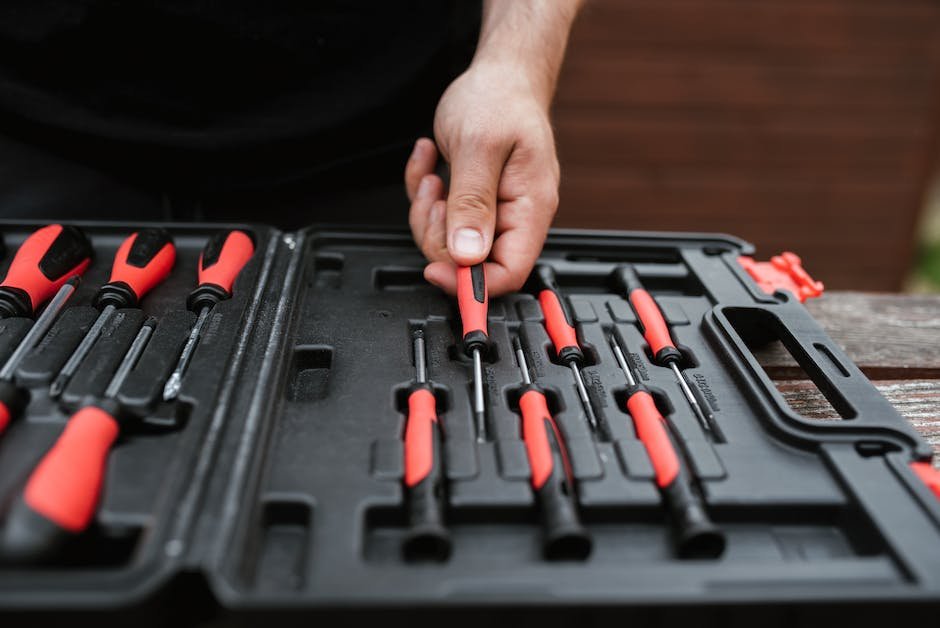
Always carry a basic repair kit. You do not want a loose screw to end your day early. Your kit should include a screwdriver, spare rope, duct tape, and ding repair putty. Some riders also carry spare fin bolts and a knife in case they get tangled in fishing lines.
Using the right tools is critical. Do not use a random tool you found in the garage. For example, over-tightening a screw on a fin box can crack the board. Plastic torque wrenches are great because they prevent you from using too much force. They click when the screw is tight enough.
Being able to perform quick fixes saves you money and time. If you know how to patch a small hole or replace a broken u-joint, you won’t be stranded on the beach watching everyone else have fun. Taking care of your gear ensures it remains safe and reliable for years.
For more detailed guides on equipment care, resources like SurferToday’s safety guide offer excellent checklists to ensure you never miss a vital piece of maintenance.
Conclusion
Windsurfing is a journey that offers endless opportunities for growth. Whether you are learning to read the wind, fixing your own board, or mastering a new turn, every step forward counts. Remember to stay safe, respect the ocean, and keep practicing. The more time you spend on the water, the more natural it will feel.
Disclaimer: Windsurfing is a physical water sport that carries inherent risks, including injury and drowning. Always wear a life vest, check local weather conditions, and never sail alone. This article is for informational purposes only.
#Windsurfing #WaterSports #SailingLife #OceanAdventure #SurfingTips
If you found this guide helpful, please share it on social media and let us know in the comments what windsurfing skill you are working on next!


